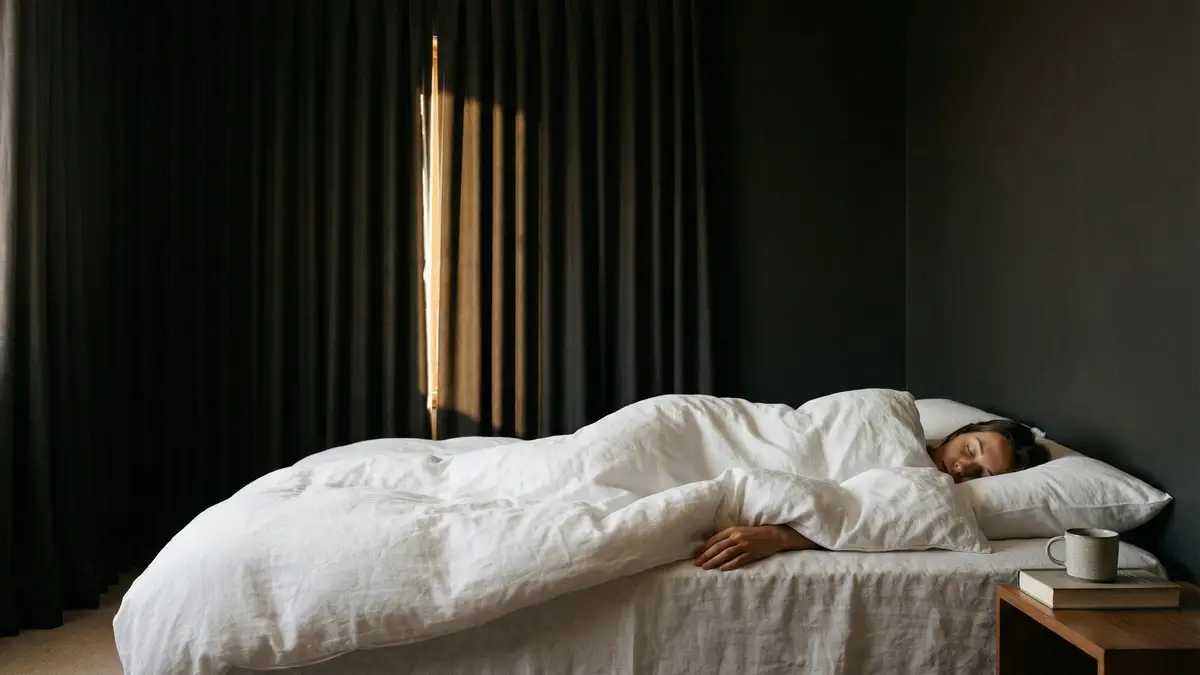
You are a high-performing tech professional who treats sleep as a variable to be minimized. You function on six hours. You have convinced yourself your body has adapted. It has not. Sleep is not a lifestyle preference. It is a physiological requirement for fat loss, muscle retention, and cognitive performance. You are not optimizing by sleeping less. You are degrading every other system in your stack.
Busy tech professionals often treat sleep as a luxury, a sacrifice to be made for productivity. This is a critical error. You are not optimizing; you are sabotaging your results. Fitness is engineered, not guessed, and sleep is a non-negotiable component of that engineering. This article will break down the precise mechanism by which sleep impacts fat loss and muscle retention, and provide the minimum effective dose you need to implement immediately.
The Mechanism: How Sleep Dictates Your Physique
Sleep is not passive downtime; it is an active metabolic process that directly influences your body composition. When you shortchange your sleep, you trigger a cascade of hormonal imbalances that make fat loss harder and muscle retention nearly impossible. Consider these critical factors:
- Hormonal Dysregulation: Sleep deprivation elevates cortisol, your primary stress hormone. High cortisol levels promote fat storage, particularly around the midsection, and can increase muscle breakdown. Simultaneously, it disrupts ghrelin and leptin, the hormones that regulate hunger and satiety. You feel hungrier, less satisfied, and crave calorie-dense foods.
- Insulin Sensitivity: Even a single night of poor sleep can reduce insulin sensitivity. This means your body struggles to process carbohydrates efficiently, leading to higher blood sugar levels and increased fat storage. In a calorie deficit, this makes accessing stored body fat for energy significantly more challenging.
- Muscle Protein Synthesis: Adequate sleep is crucial for muscle repair and growth. During deep sleep, your body releases growth hormone, essential for protein synthesis and recovery from strength training. Insufficient sleep impairs this process, hindering your ability to retain hard-earned muscle mass while in a calorie deficit.
- Reduced Performance and Activity: Lack of sleep diminishes cognitive function, decision-making, and physical performance. This translates to less effective workouts, reduced general activity throughout the day, and a higher likelihood of making poor food choices.
The Minimum Effective Dose: How Much Sleep Do You Actually Need?
While individual needs vary, scientific consensus points to a clear range for optimal health and body composition. For busy professionals focused on fat loss and muscle retention, the goal is not excessive sleep, but the minimum effective dose. This typically falls between 7 to 9 hours per night. However, for many, consistently hitting the lower end of this range, specifically 7-7.5 hours, can yield significant benefits without requiring an unrealistic overhaul of your schedule.
Research consistently demonstrates that individuals sleeping less than 7 hours per night experience greater fat mass accumulation and reduced lean body mass retention, even when calorie intake and exercise are controlled [1]. This is not anecdotal; it is a physiological reality. Prioritize this range, and you will create a more favorable environment for your body to shed fat and preserve muscle.
Engineering Your Sleep for Optimal Results
Achieving your minimum effective dose of sleep requires a structured, engineered approach, not just hoping for the best. Integrate these strategies into your routine:
- Consistent Sleep Schedule: Go to bed and wake up at roughly the same time every day, even on weekends. This regulates your circadian rhythm, making it easier to fall asleep and wake naturally.
- Optimize Your Sleep Environment: Your bedroom should be a sanctuary for sleep. Ensure it is dark, quiet, and cool (ideally between 60-67°F or 15-19°C). Block out light, use earplugs if necessary, and invest in a comfortable mattress and pillows.
- Pre-Sleep Routine: Develop a consistent wind-down routine 30-60 minutes before bed. This could include reading a physical book, light stretching, or a warm shower. Avoid stimulating activities like work, intense exercise, or confrontational discussions.
- Limit Screen Time: The blue light emitted from screens (phones, tablets, computers) suppresses melatonin production, making it harder to fall asleep. Implement a digital curfew at least an hour before bed.
- Manage Caffeine and Alcohol: Be mindful of your intake, especially in the afternoon and evening. Both can disrupt sleep architecture, even if you feel they help you relax or fall asleep initially.
These are not optional suggestions; they are engineering principles for optimizing your recovery and accelerating your fat loss. Just as you wouldn’t ignore a critical system component in your professional work, do not ignore sleep in your physique transformation.
Key Takeaways
- ✓Sleep is a non-negotiable fat loss tool, impacting hormones, insulin sensitivity, and muscle retention.
- ✓Aim for a minimum effective dose of 7-7.5 hours of quality sleep per night.
- ✓Engineer your sleep environment and routine for consistency and optimal recovery.
- ✓Neglecting sleep sabotages your calorie deficit and strength training efforts.
Take Action
Follow me on IG @SeanFitEngineer for actionable strategies. Want help building your personalized execution plan? Book a free strategy call to see if we’re a fit.
References
[1] Nedeltcheva, A. V., Kilkus, J. M., Imperial, J., Schoeller, D. A., & Penev, P. D. (2010). Insufficient sleep undermines dietary efforts to reduce adiposity. Annals of Internal Medicine, 153(7), 435-441.
Leave a Reply